
































From Utility to Experience: How Water Design is Redefining Guest Comfort in Hospitality
Water is emerging as a key element in hospitality design, influencing guest comfort, consistency, and overall experience. Hotels are moving beyond functionality to treat water as a sensory touchpoint across rooms, wellness spaces, and dining. With advancements in design, engineering, and in-house water systems, the focus is shifting towards intuitive, seamless, and personalised experiences that enhance guest satisfaction and brand perception.
Introduction
As hospitality evolves from service delivery to experience design, even the most overlooked elements are being reimagined. Water—once treated purely as infrastructure—is now emerging as a critical touchpoint shaping guest comfort, consistency, and long-term recall across hotel environments.
Reframing Water in the Hospitality Experience
The hospitality industry has long focused on visible luxury—architecture, interiors, and curated spaces. However, guest impressions are increasingly shaped by subtle, sensory interactions. Among these, water is gaining prominence as a defining yet often invisible element that influences comfort and perception throughout a stay.
From Functional Utility to Sensory Touchpoint
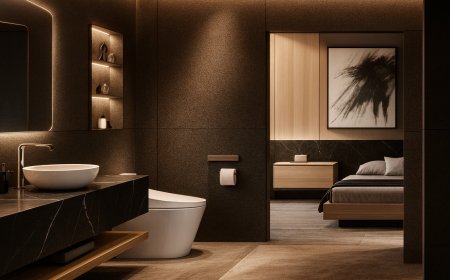
Water is no longer viewed solely as a backend utility. Across rooms, bathrooms, dining, and wellness spaces, it has become a frequent and influential point of interaction. The temperature, pressure, taste, and ease of use contribute significantly to how guests experience a space, often without conscious recognition.
Designing for Intuitive Guest Comfort
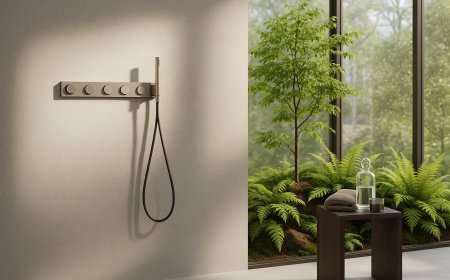
Hotels are placing greater emphasis on intuitive design, where water systems function seamlessly without requiring adjustment or effort from the guest. Fixtures that deliver consistent temperature, responsive flow, and ease of operation enhance the overall sense of comfort, aligning with the broader shift towards frictionless experiences.
Consistency as a Differentiator
In high-occupancy environments, maintaining uniform water performance across rooms and peak hours has become critical. Consistency in pressure, response time, and usability ensures reliability, which directly impacts guest satisfaction. While largely unnoticed when present, inconsistencies can quickly disrupt the overall experience.
Water in Wellness and Recovery Experiences
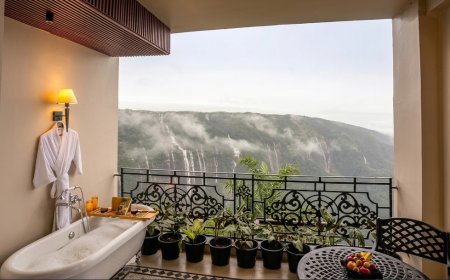
Beyond functionality, water plays a central role in wellness-driven hospitality. Showers, baths, and hydration experiences are increasingly designed to support relaxation and recovery. Features such as thermostatic precision, adjustable flow, and user-controlled settings allow guests to personalise their experience, reinforcing a sense of comfort and control.
Rise of Integrated Water Programmes
Hotels are also rethinking water delivery through in-house purification and management systems. This shift enables better control over quality, presentation, and sustainability, while reducing reliance on external supply chains. It also allows water to align more closely with a property’s brand identity and environmental commitments.
Engineering the Invisible Experience
Behind every seamless water interaction lies advanced engineering. Technologies such as pressure balancing, flow regulation, and temperature control ensure reliability at scale. The success of these systems is defined not by visibility, but by their ability to function without disruption—making the experience feel natural and effortless.
Linking Water to Brand and Memory
As guest expectations evolve, hotels are recognising that loyalty is built through consistent, high-quality experiences rather than visible amenities alone. Water interactions occur multiple times throughout a stay, making them one of the most frequent touchpoints. Each interaction contributes to guest memory, shaping perception and influencing repeat visits.
Outlook: A Subtle Yet Strategic Shift
The industry is gradually adopting a more holistic approach to design, where even the most fundamental elements are treated with intent. Water is moving from being an operational necessity to a strategic component of guest experience, wellness, and sustainability. This shift reflects a broader redefinition of luxury—one that prioritises comfort, consistency, and sensory engagement.
What's Your Reaction?
 Like
0
Like
0
 Dislike
0
Dislike
0
 Love
0
Love
0
 Funny
0
Funny
0
 Angry
0
Angry
0
 Sad
0
Sad
0
 Wow
0
Wow
0