
















































































Delhi Announces Major Reforms for Hospitality Sector: Third-Party Fire Audits, Single-Window Licensing & Pollution-Control Upgrades
Delhi has announced major reforms to support the hospitality sector, including approval for third-party fire audits and a unified single-window licensing system for hotels and restaurants. The government will simplify compliance, clear long-pending licences, and revise pollution-control norms by encouraging mist-fogging technology.

Delhi is preparing to roll out a series of structural reforms aimed at easing business operations for hotels and restaurants, with the state government confirming plans for third-party fire audits, a digital single-window licensing platform, and revised pollution-control norms for commercial establishments.
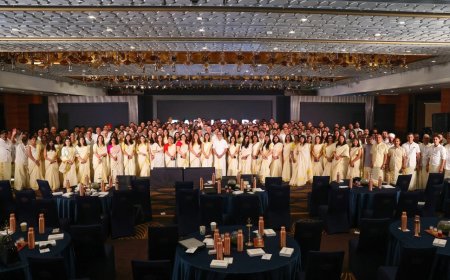
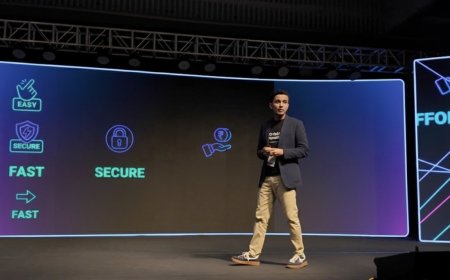
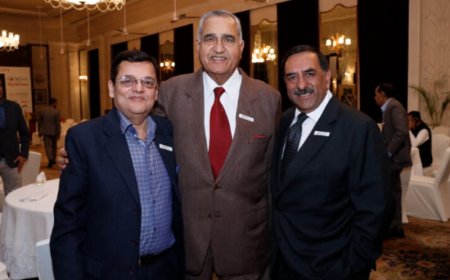
The announcements were made by Chief Minister Rekha Gupta at Summit 2025 – Viksit Delhi, Viksit Tourism & Hospitality, organised jointly by the Federation of Hotel and Restaurant Associations of India (FHRAI) and the Hotel and Restaurant Association of Northern India (HRANI).
Third-Party Fire Audits to Clear Years of Pendency
The Delhi government will soon permit certified private agencies to conduct fire-safety inspections for businesses applying for fire licences.
Gupta said a review revealed that numerous fire licence applications had been pending for several years, slowing down commercial activity and delaying new hotel and restaurant projects.
By allowing trusted external agencies to carry out on-ground assessments—similar to systems already used in some other states—the administration aims to:
-
Shorten approval timelines
-
Reduce dependency on the fire department's limited inspection capacity
-
Improve transparency and ease of doing business
Authorities are evaluating whether licences can be directly issued based on third-party reports or processed swiftly by the Fire Department using these assessments.
Unified Single-Window Licensing System for Hospitality
Gupta also announced that the government is collaborating with civic and development agencies such as the MCD and DDA to integrate all permissions required by hospitality businesses into one digital platform.
This move is intended to eliminate:
-
Multiple physical visits
-
Inter-department delays
-
Administrative inconsistencies
The CM emphasized that the goal is to make Delhi a preferred hub for events, tourism, and hospitality investment, noting that several long-pending approvals from earlier administrations are now being cleared on priority.
New Pollution-Control Guidance for Hotels & Restaurants
Addressing rising air-quality concerns, the government is proposing amendments to DPCC regulations to replace bulky, water-intensive anti-smog guns with more efficient mist-fogging systems.
Key points highlighted:
-
Mist-fogging uses less water and disperses evenly in all directions
-
It is easier to install on rooftops of hotels and restaurants
-
The government will gradually increase mist-fog deployment across the city
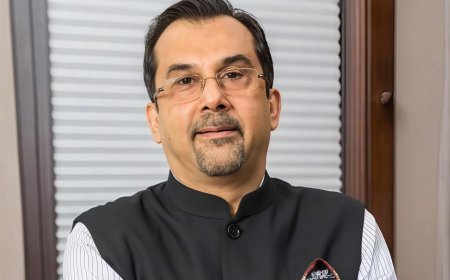
FHRAI President Surendra Kumar Jaiswal recommended dry-fog technology as an alternative, noting its ability to cut water consumption by nearly 90% while remaining lightweight and cost-effective.
FPO–Hospitality Linkages Strengthened at the Summit
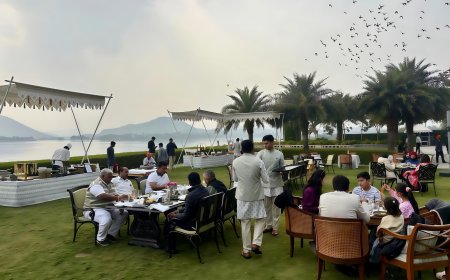
An exhibition at the summit brought together Farmer Producer Organisations (FPOs) from several states to help hotels source fresh produce directly from agricultural groups.
Industry leaders highlighted the importance of long-term partnerships between farmers and hospitality companies to strengthen sustainable procurement.
Industry Calls for Stability and Long-Term Policy Support
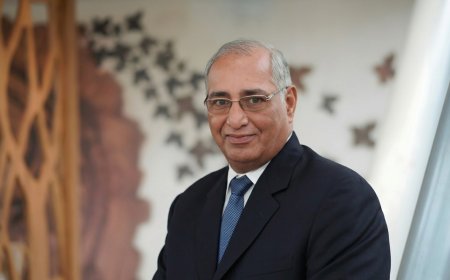
In his keynote address, Neeraj Kharwal, IAS, Managing Director of ITPO, stressed the need for consistent policy frameworks, infrastructure improvements, and simplified compliance processes to keep Delhi competitive as a global tourism destination.
FHRAI Honorary Secretary Garish Oberoi praised the government’s ongoing reforms and reiterated the association's commitment to working closely with policymakers.
Focus on Branding Delhi for Future Tourism Growth
The summit also hosted:
-
A panel discussion on positioning Delhi as a future-ready tourism brand
-
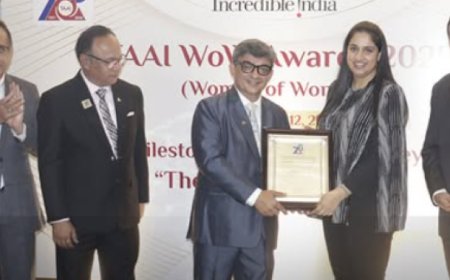
Hospitality excellence awards
-
Technical sessions on sustainability initiatives such as the RUCO edible-oil recycling programme and ONDC’s digital commerce integration
A Clear Push Toward Making Delhi Hospitality-Friendly
The reforms announced signal a stronger alignment between government and industry, with a focus on:
-
Faster approvals
-
Predictable compliance
-
Cleaner operations
-
Stronger farm-to-hospitality supply chains
-
Improved business convenience
If implemented successfully, Delhi’s hospitality sector could experience one of its most significant regulatory overhauls in years, enhancing both investment confidence and operational ease.
What's Your Reaction?
 Like
0
Like
0
 Dislike
0
Dislike
0
 Love
0
Love
0
 Funny
0
Funny
0
 Angry
0
Angry
0
 Sad
0
Sad
0
 Wow
0
Wow
0